Frozen HVAC Coils: Why They Happen and How to Thaw Them Safely
A frozen HVAC coil can turn a hot day into a frustrating one. The system is running, but the house is getting warmer. Then you notice ice on the refrigerant line or inside the indoor unit.
Here is the short answer: a frozen evaporator coil is usually a symptom of an underlying airflow, refrigerant, or mechanical problem.
When we conduct HVAC maintenance in Cuyahoga Falls, OH, our team at C. Lee Services focuses on finding the reason behind the frozen coil rather than simply thawing the system and hoping it stays operational. That approach is particularly important during humid Northeast Ohio summers, when air conditioners in Cuyahoga Falls may run for long periods.
Why Does an HVAC Coil Freeze?
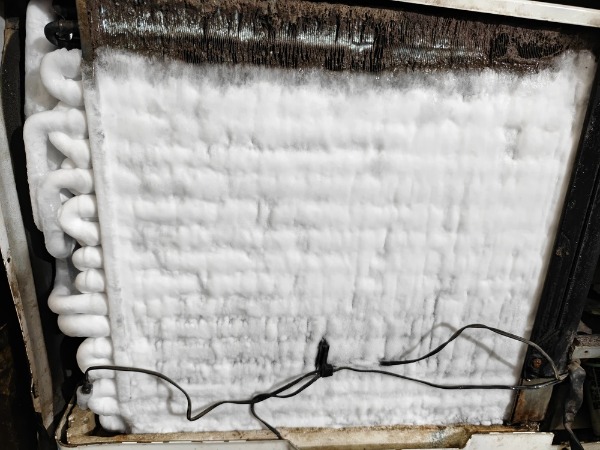
An evaporator coil freezes when it gets too cold while moisture is present in the air.
Under normal conditions, warm indoor air passes across the evaporator coil while refrigerant absorbs heat. The coil also removes humidity, creating condensation that drains away.
Problems with airflow or the refrigeration cycle can lower the coil temperature below freezing. Moisture then turns to ice and begins blocking airflow through the coil.
The most common causes include:
- Restricted airflow
- A dirty air filter
- A dirty evaporator coil
- Blower problems
- Low refrigerant caused by a leak
- Refrigerant metering or mechanical issues
Restricted Airflow Is a Common Cause
Your air conditioner needs enough warm air moving across the evaporator coil. When airflow drops, the coil absorbs less heat and can become cold enough to freeze condensation.
Dirty Air Filters
A clogged air filter is one of the first things we check.
Filters can become restrictive before they look completely blocked. Homes with pets, dust, or high HVAC usage may need more frequent filter changes.
Routine HVAC maintenance in Cuyahoga Falls, OH can help identify airflow problems before they leave you with a frozen system.
Blocked Vents and Returns
Furniture, storage items, or rugs can obstruct return vents and reduce airflow.
Closing numerous supply vents can also affect system airflow. Unless your HVAC system was designed for zoning, shutting off vents throughout the home is rarely a good way to control temperatures.
Dirty Evaporator Coils
Dust and debris can collect on the evaporator coil over time. This buildup reduces heat transfer and contributes to freezing.
Coil cleaning often requires access to internal equipment components, so professional evaluation may be necessary.
Can Low Refrigerant Freeze an HVAC Coil?
Yes. Low refrigerant can cause the evaporator coil to operate at temperatures low enough to freeze moisture.
An HVAC system does not normally consume refrigerant. If the refrigerant charge is low, there may be a leak or another system problem that needs attention.
Simply adding refrigerant without identifying the cause may provide only temporary results.
When we inspect a frozen system, we evaluate operating conditions rather than assuming refrigerant is automatically the issue.
Mechanical Problems Can Also Cause Freezing
Not every frozen coil is caused by a filter or refrigerant problem.
A failing blower motor can reduce airflow across the evaporator coil. Electrical problems, damaged components, or refrigerant metering issues can also create operating conditions that lead to freezing.
This is why repeated coil freezing deserves a complete diagnosis.
Why Frozen Coils Can Become More Noticeable During Ohio Summers
Cuyahoga Falls experiences warm, humid stretches during the cooling season. When an air conditioner runs longer, more moisture passes across the evaporator coil.
Normally, that moisture drains away.
But if the coil is already operating too cold, humid conditions can accelerate ice formation. A minor airflow issue may not be obvious during mild weather but can become apparent during periods of heavy cooling demand.
After months of limited use during Northeast Ohio’s colder seasons, an air conditioner can also reveal problems when it is placed back into regular operation.
How to Safely Thaw a Frozen HVAC Coil
Turn off the cooling system and allow the ice to thaw naturally. Never scrape ice from the coil.
Follow these steps:
1. Turn Off the Air Conditioner
Stop the cooling cycle to prevent additional ice from forming.
2. Allow the System to Thaw
Thawing may take several hours, depending on how much ice has accumulated.
If the blower is operating correctly, running the thermostat fan setting may help circulate air and speed the thawing process while the cooling function remains off.
3. Check the Air Filter
Inspect and replace a heavily clogged filter with the appropriate replacement for your system.
A new filter may correct an airflow problem, but it will not fix a refrigerant leak, failing blower, or damaged component.
4. Check Accessible Vents
Make sure supply and return vents are not blocked by furniture or other household items.
5. Wait Until the Ice Is Completely Gone
Do not restart cooling while ice remains on the coil.
If the system freezes again after thawing, stop operating the cooling system and schedule a professional inspection.
What Should You Avoid?
Do not:
- Chip or scrape ice from the coil
- Use sharp objects around refrigerant tubing
- Pour hot water onto HVAC equipment
- Repeatedly restart the air conditioner while the coil remains frozen
Evaporator coils are delicate, and improper attempts to remove ice can cause additional damage.
When Should You Call for Professional HVAC Service?
Call for service if the coil freezes repeatedly, the filter is clean, or your system is no longer cooling properly.
A professional inspection may include checking:
- Airflow through the system
- Blower performance
- Evaporator coil condition
- Refrigerant pressures and potential leaks
- Electrical and mechanical components
- Condensate drainage
Our HVAC services cover residential and commercial systems, and we service equipment across manufacturers. With experience spanning mechanical and electrical service work, we look beyond the visible ice to identify what changed inside the system.
Can Routine Maintenance Help Prevent Frozen Coils?
Routine maintenance can identify many conditions associated with frozen coils before the problem becomes obvious.
We inspect system operation, airflow, filters, and accessible components based on the equipment and its condition. Maintenance is especially useful before periods of heavy summer use.
Not every system has the same needs. Equipment age, household usage, building layout, and system design can all affect maintenance requirements.
Can Smart Controls Help?
Smart thermostats and connected controls can provide useful information about HVAC runtime and operating patterns.
We also work with smartphone and web-based automation controls and, where appropriate, automated utility peak-rate management devices.
These systems can help homeowners notice unusual patterns, but they cannot diagnose a frozen coil. If cooling performance changes, the mechanical system still needs to be evaluated.
Does a Frozen Coil Mean You Need a New HVAC System?
Not necessarily.
We do not recommend replacement based solely on the presence of ice. A clogged filter, airflow restriction, or repairable component can cause freezing.
System replacement may be worth discussing when the equipment has recurring problems or multiple significant components are failing. As an HVAC contractor, we evaluate the cause, the system’s condition, and the available repair options before making recommendations.
Frequently Asked Questions
How long does it take for a frozen HVAC coil to thaw?
It can take several hours, depending on the amount of ice. Keep the cooling system off until the coil has completely thawed.
Can I run the HVAC fan while the coil is frozen?
The fan may help speed thawing if the blower is operating properly. Keep the cooling function turned off.
Does a frozen evaporator coil mean I have a refrigerant leak?
Not always, but low refrigerant caused by a leak is one possible cause. Airflow and mechanical problems can produce the same symptom.
Can I remove the ice myself?
Allow the ice to melt naturally. Do not scrape or chip the coil because the tubing and fins can be damaged.
Get to the Bottom of Why Your Coils Freeze
Spotting ice on your HVAC coil is simple. Figuring out why it formed is the real challenge. If your air conditioner in Cuyahoga Falls is freezing up, blowing warm air, or struggling to cool your home, give C. Lee Services a call.
We will inspect your equipment, identify the actual source of the trouble, and walk you through your repair options.